
Can a furnace explode?
By Ava Hall
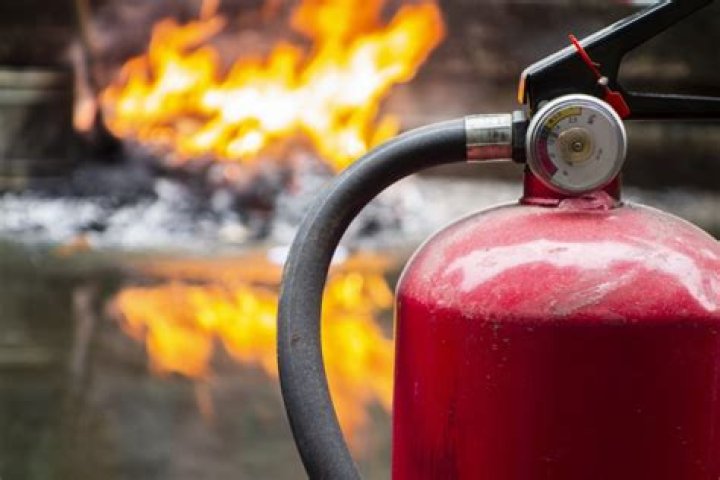
The short answer is yes, it is possible for your furnace to explode. But it is highly unlikely especially with the build of modern furnaces, which include high safety standards to decrease the risk of an explosion.
How likely is it for a furnace to explode?
Although it is possible for a gas furnace to either catch fire or explode, it's highly unlikely. If there is a danger of this happening, the furnace will usually simply shut off—as it's designed to. Regular maintenance will further reduce this already unlikely event.How do I know if my furnace is going to explode?
Noises such as popping, groaning, banging, or rattling that aren't normally produced by the furnace suggest its components are malfunctioning. In addition to the loud noise, if the blower is frequently turning on and off and blowing cool air into your home, there is a high possibility that your furnace is not working.What causes a furnace explosion?
A furnace explosion is usually the result of ignition and instantaneous combustion of highly flammable gas, vapor, or dust that has accumulated in a boiler. The effect of the force from the explosion is often much greater than the boiler combustion chamber can withstand.Can a furnace cause a house fire?
A furnace is a vital component in virtually every home heating system across the country. Many people may not be aware that a furnace can cause a house fire if the conditions allow it. According to data released by FEMA, heating appliances were the second highest cause of building fires in homes during 2014.Explosions During Furnace Ignition - Symptom of Bad Heat Exchanger
How do you stop a furnace from exploding?
Precautions to Prevent Boiler Explosion:
- Inspection of pump inlets and loose connections.
- Installation of ash removal system to avoid ash accumulation in the furnace or other equipment.
- Pump priming.
- Regular checking of safety valves.
- The boiler should be operated as per its design pressure.
What happens if a furnace overheats?
The most serious risk of an overheating furnace is stress cracks in the heat exchanger caused by overheating. The vast majority of premature heat exchanger damage is due to overheating as the heat stress causes cracks near the welds and bends.Is my furnace Safe?
If your furnace is burning a blue flame, very little CO is created and the unit is considered safe. The presence of a yellow or red flame indicates incomplete combustion and could mean dangerous levels of carbon monoxide are being produced.Why is my furnace making a boom sound?
When delayed ignition occurs, the released gas just keeps accumulating because, for whatever reason, it won't ignite. The gas will continue to collect inside the furnace until it finally makes contact with a flame. When that happens, the gas ignites in a small explosion, creating a pop, boom, or bang that you can hear.Why is my furnace banging so loud?
Banging SoundsIf your furnace is making a loud booming or banging noise, the problem may be caused by a small gas explosion that happens when there's a delay in ignition. Gas can build up in your combustion chamber when the gas burners in your furnace do not ignite on time.
Can a house heater explode?
Poorly installed heaters, heater controls and gas connections can cause explosions. If the heater is electric, water corrosion can cause an electrical short.How long do furnaces usually last?
A well-maintained furnace can last at least 15 to 20 years, but completing annual maintenance and being diligent with repairs can extend its life even longer.Can furnaces backfire?
Upon starting the heating appliance, this oil can ignite and cause an explosion or misfire inside the furnace. This oil burner backfire, called a “puff back,” forces soot or smoke through the heating exhaust system and into the owner's property.Is it safe to sleep in a room with a furnace?
Gas and propane are the most dangerous part of the furnace as it emits toxic fumes. The dangers lie in the fumes emitted from the gas and propane. Having these fumes emitted when sleeping could be highly dangerous and toxic.How safe is gas furnace?
Gas Heaters Are Safe to UseThe main concern with a gas heater is the leak of carbon monoxide, which is a toxic byproduct of the combustion of gas. Furnaces vent out CO through a flue, and there is very little chance that it will flow into the house.
How do you tell if your furnace is giving off carbon monoxide?
Signs of a Furnace Carbon Monoxide Leak
- Pilot Light Frequently Blowing Out.
- Fallen Soot in Fireplaces.
- Soot-Colored or Brown/Yellow-Colored Stains Around the Leaking Appliance.
- Solid Fuel Fires Burn Lower Than Normal.
- Smell of Gas (carbon monoxide is odorless, but a leakage may be accompanied by exhaust gases you can smell)
Will a furnace shut off if it overheats?
You notice the furnace cycling off without starting again.As stated earlier, furnaces have built-in safety measures to shut off if they get too hot. If your heater requires that it gets reset before operating again, there is likely a consistent overheating issue.