
Can antidepressants make BPD worse?
By John Campbell
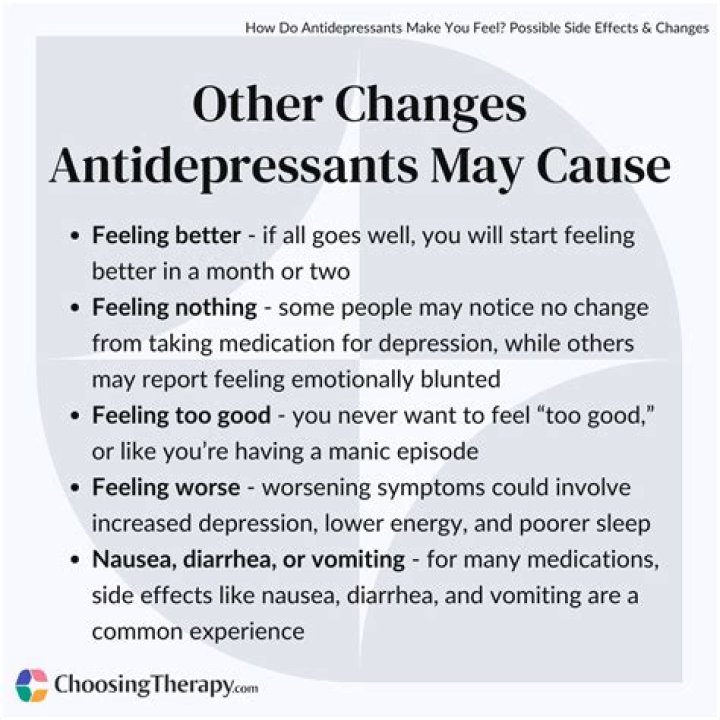
In fact, many antidepressants can cause mood swings as a side effect, which can amplify the flurry of emotions that you are already feeling due to BPD, highlighting the necessity of proper diagnosis and receiving the appropriate antidepressant medication.
What happens when someone with BPD takes antidepressants?
A number of research studies have demonstrated that certain types of antidepressants are effective in treating specific symptoms of BPD. For example, SSRIs can reduce emotional instability, impulsivity, self-harm behaviors, and anger. MAOIs have also been shown to effectively treat emotional instability.Can medication make borderline personality disorder worse?
Some concerns to think about include: Benzodiazepines may worsen symptoms for some individuals. Research suggests that benzodiazepines may worsen the symptoms of impulsivity and suicidality in people with BPD, so their use is discouraged. 8.Why do antidepressants not work for BPD?
Because antidepressants have not demonstrated significant high-level evidence of therapeutic benefit, these medications currently lack strong recommendations in treating BPD. Serotonin regulates amygdala hyperreactivity in BPD, thought to be a central neurobiological correlate of affective instability.Do antidepressants work for borderline?
Antidepressants can help people with borderline personality disorder experience relief from symptoms such as emotional reactivity, depression, and anxiety. Taking an antidepressant may come with certain side effects, allergic reaction, or unusual bleeding.How do antidepressants work? - Neil R. Jeyasingam
Which antidepressant is best for BPD?
The only antidepressant medication shown to have a positive effect on BPD symptoms outside episodes of major depression was amitriptyline, a tricyclic antidepressant [Lieb et al.Can depression be mistaken for BPD?
All of these symptoms can also present themselves in those suffering from Major Depressive Disorder (MDD), the most common type of mental illness—and given the relatively recent recognition of BPD as a diagnosable disorder (back in 1980), many people are incorrectly diagnosed with depression when they actually have BPD ...Is BPD a psychotic disorder?
The BPD diagnosis only entered the International Classification of Diseases and Related Health Problems in 1992 in the 10th edition (ICD-10) [7] as the borderline subtype of emotionally unstable personality disorder and has never included psychotic experiences.What is the best mood stabilizer for borderline personality disorder?
Divalproex sodium and valproateDivalproex sodium is among the mood stabilizers, which are comprehensively studied in patients with BPD [52]. Wilcox claimed that divalproex decreased agitation significantly in patients with BPD.
What does BPD remission look like?
Remission is the stage where you no longer meet the specified criteria for a BPD diagnosis. Recovery is less well-defined, but suggests that you are able to function in all aspects of your life for an extended period of time. This includes holding down a job and maintaining meaningful relationships.What is the new name for borderline personality disorder?
Borderline personality disorder (BPD) Explains borderline personality disorder (BPD), also known as emotionally unstable personality disorder (EUPD), including possible causes and how you can access treatment and support.How do you stop borderline splitting?
Caring and Management
- Cultivate empathy. Start by reminding yourself that splitting is part of the disorder. ...
- Encourage and support treatment. ...
- Maintain lines of communication. ...
- Remind your loved one that you care. ...
- Set boundaries. ...
- Take care of yourself. ...
- Try to manage your response.