
Can you drive with a cracked engine block?
By David Wilson
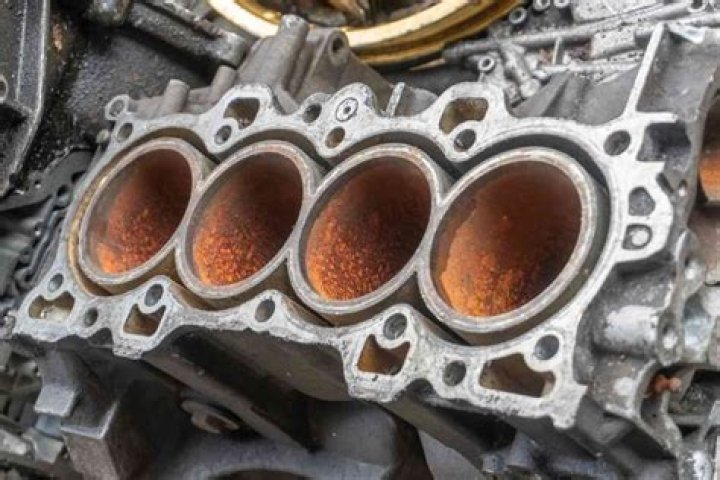
No, you cannot drive with a cracked block. While your car might technically go for a short period with a cracked block, it is dangerous for you and others on the road. Plus, you will do more damage to the vehicle, leading to an even higher repair bill. You can cause cracked heads, bent pistons, and more damage.
What happens if my engine block is cracked?
A cracked engine block can result in a coolant leak (either internal or external) that prevents the coolant from properly circulating through the engine. The engine can start to overheat as a result.Is it safe to drive with a cracked block?
Fluid leaking from your engine may barely be noticeable at first, but gets worse over time. It's still always inadvisable to be driving with a cracked engine block. Once the damage gets worse, the more obvious symptoms of a cracked block are engine smoke, and your engine overheating.How much does it cost to fix a cracked engine block?
Repairing a cracked engine block can be pretty costly. Depending on the severity, repair costs could range from $1,500 to $4,000.Why is it unsafe to drive with a cracked engine block?
Driving with a cracked engine block is like driving with any other leak in your car. It will get worse when your engine is hot and will continue to get worse over time.This Toyota Still Runs with a Cracked Engine
How long can you drive a car with a cracked block?
No, you cannot drive with a cracked block. While your car might technically go for a short period with a cracked block, it is dangerous for you and others on the road. Plus, you will do more damage to the vehicle, leading to an even higher repair bill. You can cause cracked heads, bent pistons, and more damage.Can a cracked engine block be welded?
Therefore, there are various methods of repairing cracked engine blocks: from welding and brazing, to cold metal stitching. Belzona offers a solution that does not require hot work or specialist tools.Do block sealers work?
Engine block sealers work by sealing the engine head gasket leaks from the inside, using the vehicle's cooling passages to transport a sealer to the leak. Most sealers work by accumulating at the leak, and forming a seal using the engine's heat as a catalyst to help cure and harden the seal.What are the signs of a blown engine?
Top Signs of Engine Failure
- Knocking noise. A knocking noise that comes from under the hood and rises and falls in speed with engine RPMs is most likely the sign of a failing engine bearing. ...
- Increased exhaust. ...
- Check engine light. ...
- Decreased Performance. ...
- Rough Idle.
How do you tell if you have a cracked block or blown head gasket?
When a block is cracked, you can expect a poor running engine, smoke from under the hood, and of course, a loss of oil or coolant from the crack. A blown head gasket is much more common. Your engine is separated into two main parts, the block, and the head, or heads depending on the layout of the cylinders.How do you know if your engine head is cracked?
If your car is indeed suffering from a cracked cylinder head, you'll likely notice one or more of the following symptoms:
- White Smoke (Steam) From the Exhaust Pipe. ...
- Low Coolant Level. ...
- Engine Overheating. ...
- Rough Running and Misfiring. ...
- Combustion Gases In the Cooling System. ...
- Illuminated Warning Lights. ...
- Coolant-Oil Intermix.