How is a trust formed?
By Daniel Johnson
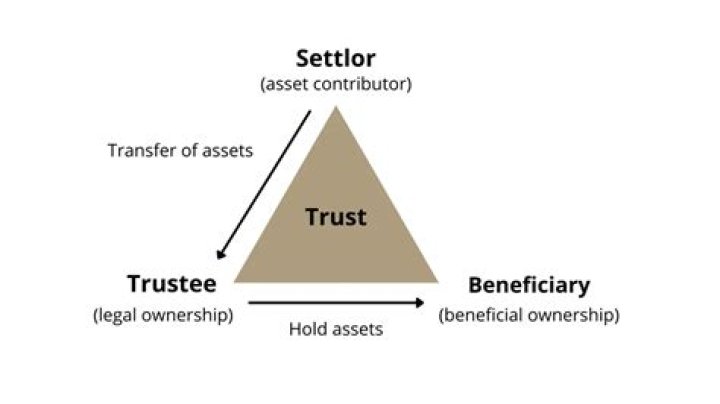
A trust is created by a settlor, who transfers title to some or all of his or her property to a trustee, who then holds title to that property in trust for the benefit of the beneficiaries. The trust is governed by the terms under which it was created.
How can trust be created?
A trust can come into existence in any manner, by an instrument in writing (including a will), by a unilateral declaration, by operation of law and also by oral declaration. However, when a trust is created orally, the law requires that there is sufficient evidence of the setlor's intention to create a trust.What is creating a trust?
A trust is a legal arrangement intended to ensure a person's assets eventually go to specific beneficiaries. The person creating the trust puts assets in the name of the trust and authorizes a third party to administer those assets for the trust creator and the beneficiaries.What is the main reason for a trust?
In many cases, you need a Trust in California if you are a homeowner. The reason for this is because property values are so high in most of the state that you may need extra protection over how your asset is handled after your death. Creating a Trust can help your property remain with a loved one.What is a trust and how does it work?
A trust is a fiduciary arrangement that allows a third party, or trustee, to hold assets on behalf of a beneficiary or beneficiaries. Trusts can be arranged in many ways and can specify exactly how and when the assets pass to the beneficiaries.How Does a Trust Work?
What are the 3 types of trust?
To help you get started on understanding the options available, here's an overview the three primary classes of trusts.
- Revocable Trusts.
- Irrevocable Trusts.
- Testamentary Trusts.
What are the disadvantages of a trust?
Drawbacks of a Living Trust
- Paperwork. Setting up a living trust isn't difficult or expensive, but it requires some paperwork. ...
- Record Keeping. After a revocable living trust is created, little day-to-day record keeping is required. ...
- Transfer Taxes. ...
- Difficulty Refinancing Trust Property. ...
- No Cutoff of Creditors' Claims.
At what net worth do I need a trust?
Here's a good rule of thumb: If you have a net worth of at least $100,000 and have a substantial amount of assets in real estate, or have very specific instructions on how and when you want your estate to be distributed among your heirs after you die, then a trust could be for you.Who owns the property in a trust?
The trustee is the legal owner of the property in trust, as fiduciary for the beneficiary or beneficiaries who is/are the equitable owner(s) of the trust property. Trustees thus have a fiduciary duty to manage the trust to the benefit of the equitable owners.Should you put bank accounts in a trust?
To make sure your Beneficiaries can easily access your accounts and receive their inheritance, protect your assets by putting them in a Trust. A Trust-Based Estate Plan is the most secure way to make your last wishes known while protecting your assets and loved ones.What are the 4 types of trust?
The four main types are living, testamentary, revocable and irrevocable trusts. However, there are further subcategories with a range of terms and potential benefits.What is better a will or a trust?
For example, a Trust can be used to avoid probate and reduce Estate Taxes, whereas a Will cannot. On the flipside, a Will can help you to provide financial security for your loved ones and enable you to pay less Inheritance Tax.How do trusts avoid taxes?
For all practical purposes, the trust is invisible to the Internal Revenue Service (IRS). As long as the assets are sold at fair market value, there will be no reportable gain, loss or gift tax assessed on the sale. There will also be no income tax on any payments paid to the grantor from a sale.Who owns the assets in a family trust?
The trustee can be an individual, individuals or a company and they are the legal entity who owns the assets and makes decisions on the trust's behalf. There can be more than one trustee and more than one beneficiary.What are the minimum requirements for a trust to exist?
Classic Requirements for a Valid Trust
- Certainty of Intention. The word 'trust' is not necessary to satisfy an indication of intention neither are technical words needed as 'equity looks to the intent rather than the form'. ...
- Certainty of Subject Matter. ...
- Certainty of Object.