
Why do fire pits explode?
By Sophia Vance
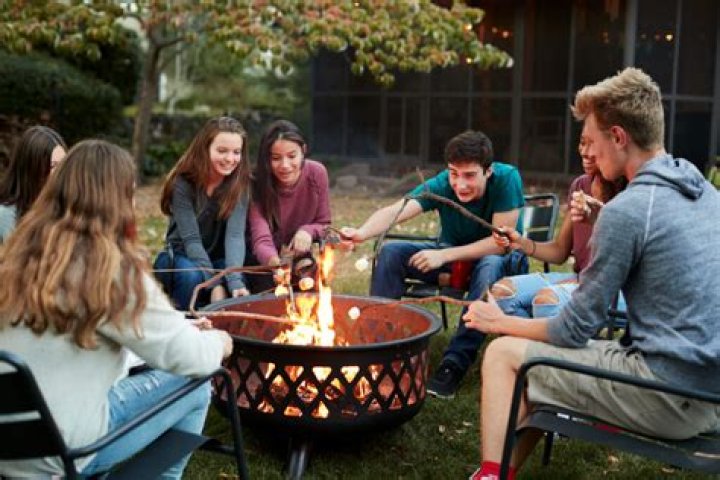
Concrete blocks, pea gravel, river rocks and other materials that are often used in DIY fire pits can trap water inside. When they are heated up, this can cause an explosion. Here's a demonstration of what can happen when the building materials hold a little too much water and pressure builds up inside.
Can fire pit stones explode?
No matter what type of fill you use, make sure the fill is dry when you light the fire. Rocks can absorb a lot of water, especially river rocks, and rocks that get too hot near a fire can (and sometimes do) explode. Even wet lava rock can explode.How do you stop a fire pit from popping?
Water gets inside, and when it's heated up, steam forms. This steam causes the rock to expand and, well, pop. You can prevent this by protecting your fire pit from the rain, and by drying out any wet rocks before you light the burner.How do you stop fire pits from Sparkping?
Fire Pit FuelAlways burn dry, seasoned wood that was cut at least six months earlier. To keep sparks from flying, make sure logs are no longer than three-quarters of the pit's diameter. With gas pits, make sure all vents are clear to avoid smoky flare-ups. And only use the fuel that the pit is built to burn.
Will concrete fire pit explode?
Or, even worse, maybe a novice installer used a material that is not even rated for such high heat. You may not know this, but concrete blocks can actually explode if they get too hot, making your fire pit a serious danger. It's quite possible that building a fire pit may be a lot more complicated than you thought.Fire pit explosion (public service video)
Will cinder blocks explode in a fire pit?
Cinder blocks generally do not explode in a fire pit. But you need to ensure that you aren't using compressed concrete blocks. Instead, your cinder blocks should be porous enough to vent steam. If your cinder blocks aren't porous enough, the build-up of steam can cause an explosion.At what temp does concrete explode?
If a fire breaks out in a tunnel, heat has limited escape routes and can increase temperatures to over 1,000°C (1,832°F) in a short time, causing concrete to explode like popcorn.What is too windy for a fire pit?
People new to burning should consider using the 60:40 rule. The 60:40 rule refers to restricting burn conditions to air temperatures less than 60 degrees Fahrenheit and relative humidity (Rh) greater than 40% with a wind speeds of 5-15 mph measured at 6 feet above the surface of the ground.Should you pour water on fire pit?
The sand and dirt method is actually preferable if you have a metal fire pit that you plan to use season after season. Water that's left sitting in a metal pit will cause it to rust, so it's best to avoid using water with this type of fire pit.Is it OK to leave fire pit burning overnight?
There are several reasons why a fire pit should never be left unattended at any time, including overnight. In every jurisdiction within the United States, it is illegal to leave a recreational fire unattended. Even a small gust of wind can easily spread hot ashes or embers a significant distance.Why is my fire popping so much?
Oxygen is like food for fires – it makes them burn really bright. As wood burns, the mix of expanding gases and cellulose breaking down makes the pockets of trapped steam burst open from the wood, one by one. This is why you hear the crackling and popping noises.Should I put rocks in my fire pit?
No part of the fire pit should be made with flammable materials (e.g., plywood shipping pallets) or non-porous materials that hold water, such as pea gravel, river rocks, or compressed concrete blocks; these materials can trap steam and eventually explode.What makes burning wood pop?
This steam gets trapped in the pocket within the piece of wood. The trapped steam begins to exert pressure on the surrounding wood. Eventually, the wood gives way. The snap, crackle, or pop sound you hear is the wood splitting along a crevice and releasing steam into the fire.What temperature do rocks explode?
Sometimes people place rocks into boiling water or into the oven to disinfect the rock. But it is extremely dangerous as the rock can pop up and explode. Rocks can explode even in boiling water (100°C) and an oven (up to 250°C). Average fire flame temperature ranges from 525°C to 1000°C.Are pavers safe for fire pit?
Kiln-fired brick is safe to use in an aboveground fire pit. These bricks are typically fired to 1800ºF and easily withstand the heat of flames. Landscaping brick that's been kiln-fired is safe to use. Brick paver stones should also be safe to use.Do you put the lid on a fire pit while burning?
A fire pit cover is a must-have accessory. It keeps rain, wind-blown debris like leaves, and even unsuspecting critters from filling your fire pit. With in-ground fire pits, adding a cover also protects guests from taking a tumble into the pit.What do you do with fire pit ashes?
Here are 8 ways you can use fireplace ashes around your home and garden.
- Amending Soil and Boosting Your Lawn. ...
- Add Ash to Your Home Compost. ...
- Wood Ashes for Cleaning. ...
- Make Soap at Home. ...
- Keep Harmful Bugs Away. ...
- Add Traction to Slippery Walkways. ...
- Soak Up Driveway Spills. ...
- Fire Control.