Why does raw footage look dull?
By Andrew Henderson
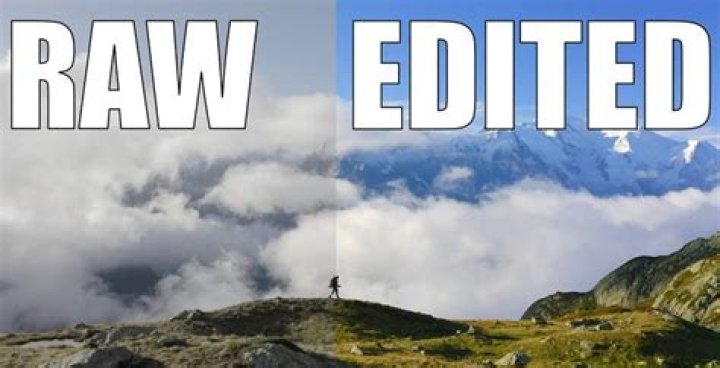
The color on raw footage typically looks flat or dull. Again, this is by design. The color of raw footage actually is flat—that is, it was shot in a video type called “flat” that doesn't include a lot of the color information in a finished video file.
Why do raw files look different?
RAW development is relatively complicated, and above all it's not clear-cut. Each program uses different processes, and so they all give different results. Likewise every camera has its own color profile and gives slightly different outputs.Why does raw footage look gray?
This means that the files coming out of the camera are pretty gray looking and underwhelming. This is due to a specific file format which we shoot in (sLog2) to give the footage the most Dynamic Range and preserve highlights. It looks super drab out of camera and needs to be handled by an experienced editor.Why are raw images flat?
RAW files need to undergo post processing, otherwise your photos will come out very flat or will look washed out. Moreover, RAW files are typically lossless. From the images captured to the stored files, right down to when you manipulate them, you will not lose any amount of data from RAW files.Is filming in RAW worth it?
“To shoot RAW means to thicken the color of your images, making them more dense—a lot more data provides more headroom to push and pull footage in post, to correct errors made during shooting, as well as to shape the look and feel of your film.” The advantages are plenty and aren't nearly as costly as they seem.Why CANON footage looks BAD out of Camera and how to FIX IT
Is shooting RAW worth it?
RAW provides far more image information, allowing you to capture more detail and greater dynamic range from your camera sensor. More flexibility for editing: When you transfer images from your camera's SD card to a hard drive for editing, you will appreciate the image quality you get from RAW data.Is RAW sharper than JPEG?
Here's the brightness breakdown of a RAW image vs JPEG: a JPEG file records 256 levels of brightness, while a RAW file records a whopping 4,096 to 16,384 levels of brightness. Having a higher brightness level will make the tones in your images appear smoother.Why does JPEG look better than RAW?
The JPEG processing applied by the camera is designed to produce a good-looking image right out of the camera, and this processing cannot be undone. A raw file, on the other hand, is processed by you; so you can decide how the image will look.Is RAW better quality than JPEG?
Image quality.The main advantage of shooting in RAW is that you end up with high-quality files to edit into the best possible image. Capturing and storing all the details that pass through your camera's sensors means RAW files contain a wider dynamic range and far greater color spectrum than JPEGs.
Why do videographers charge for raw footage?
This fee grants the client access to the raw footage and permission to use it at their discretion. This is the big one. And it is mainly about protecting the rights of everyone involved. When you make a video the production company will be very clear on what the video is for and where it will be displayed.Why do RAW images look worse?
Differences in the sharpening and noise reduction between that the camera uses and that a RAW image editor uses could create a small difference in the appearance of an image.Do professional photographers use RAW or JPEG?
As you might expect, the tradeoff for these detailed files is that RAW files are quite a bit larger than JPEG files. Still, most professional photographers shoot in RAW because it gives them more information to work with in the post-processing phase.Why are my RAW images so grainy?
Digital noiseYour sensor converts light to electricity. And when it's dark, it will have to make those signals stronger to create a correct exposure. In the process, the disparities in the output end up creating grainy photos because of digital noise.
Do you need to white balance in RAW?
10) White BalanceIt still has no effect on the RAW data or your metering, but does change the way that your images appear on the camera's LCD (as well as your in-camera histogram).